Mobile Patient Hoists
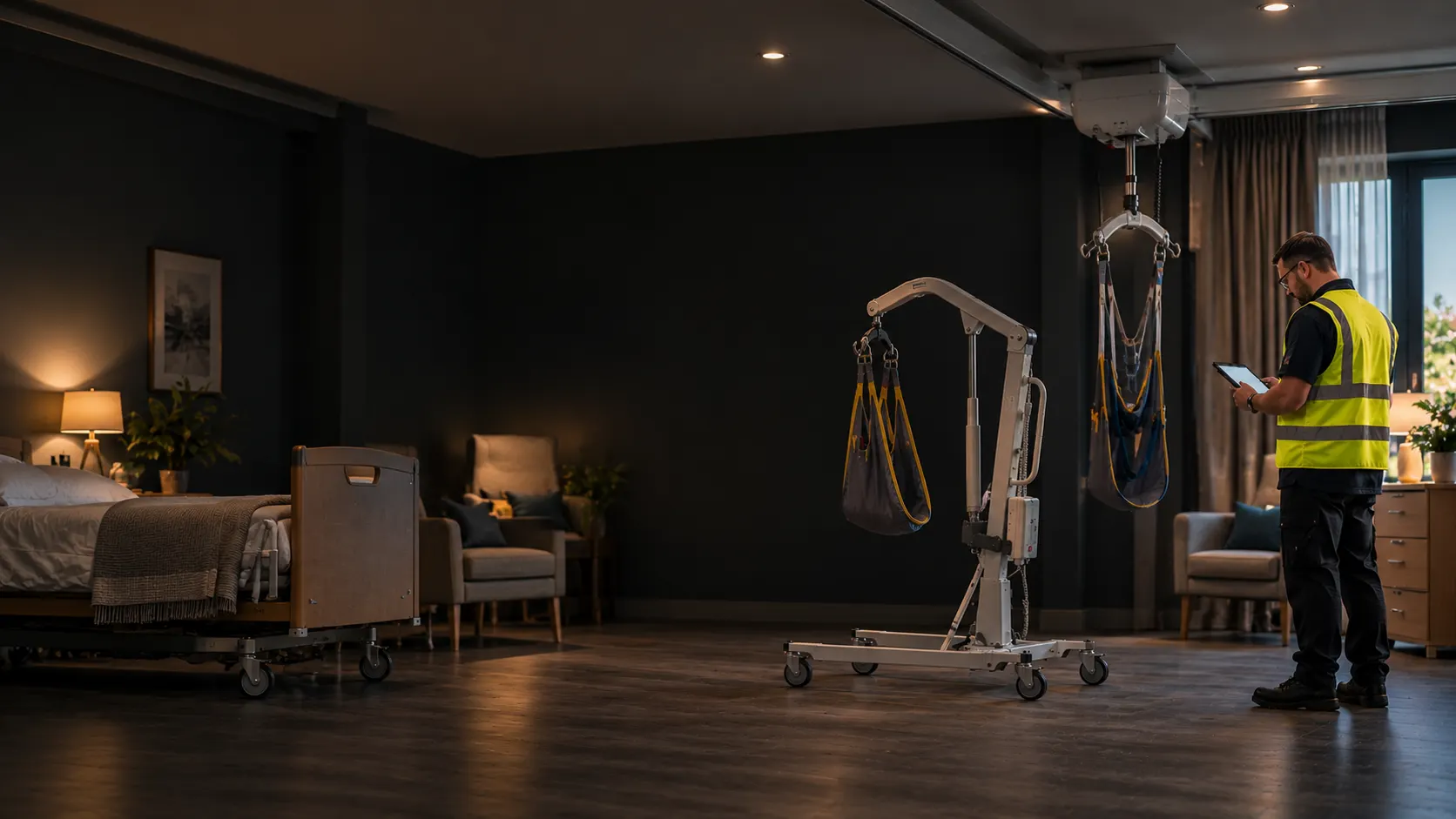
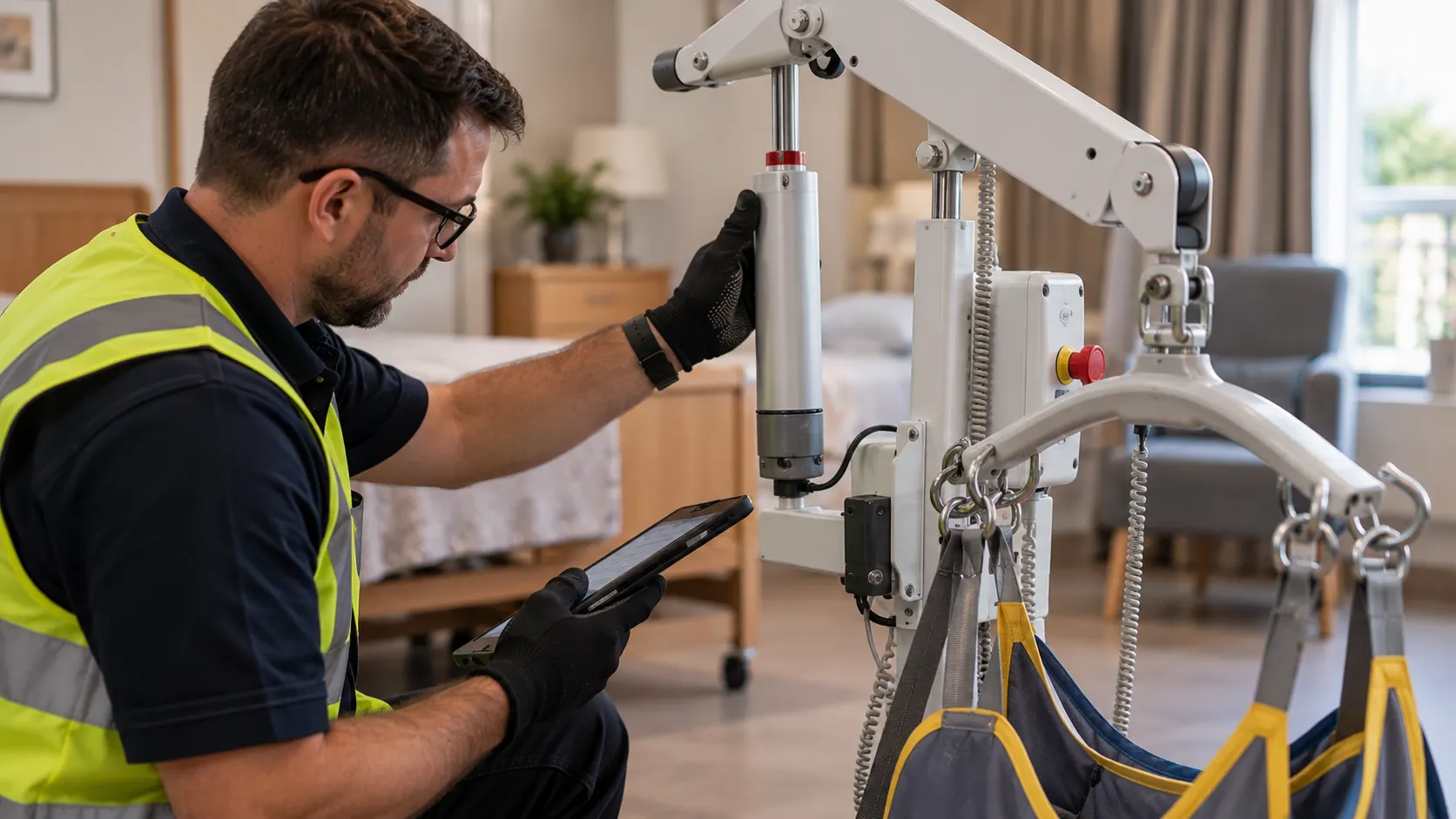
Mobile hoists used by care staff to assist with patient and resident transfers.


Tell us what care lifting equipment you have, where it is located and when it was last examined and we can discuss the appropriate inspection requirements.
A patient hoist inspection assesses the condition of the lifting equipment and its safety-critical components to identify defects, deterioration or other issues that could affect safe continued use.
Where patient lifting equipment is used as work equipment, LOLER requires appropriate thorough examination by a competent person. The examination considers the matters that affect the safety of the equipment and is followed by a written report of the findings.
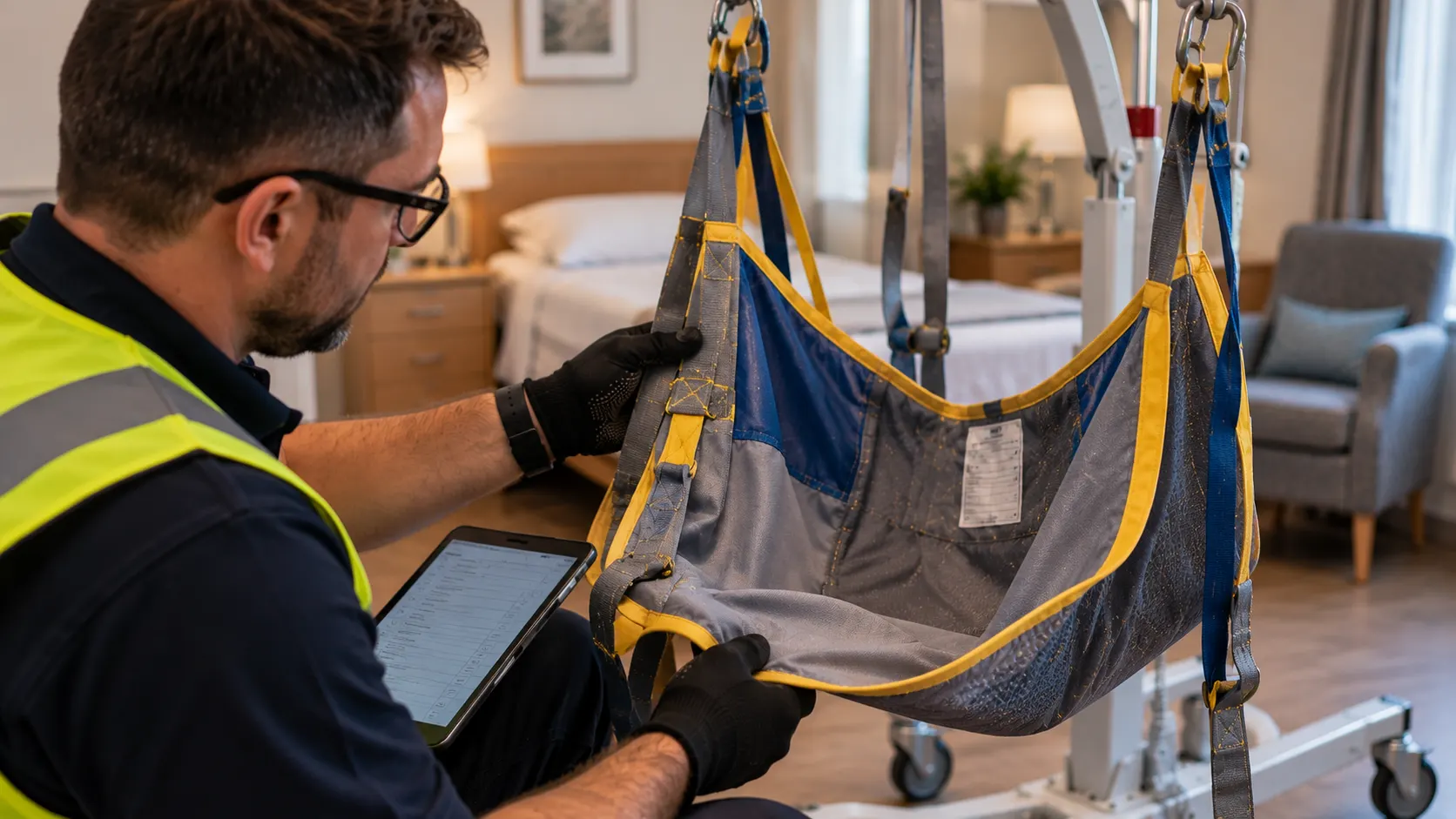
Associated equipment such as patient slings should also be considered as part of the wider lifting-equipment inspection programme.
We inspect a range of patient lifting and access equipment used across care homes, healthcare facilities and professional care environments.
Mobile hoists used by care staff to assist with patient and resident transfers.
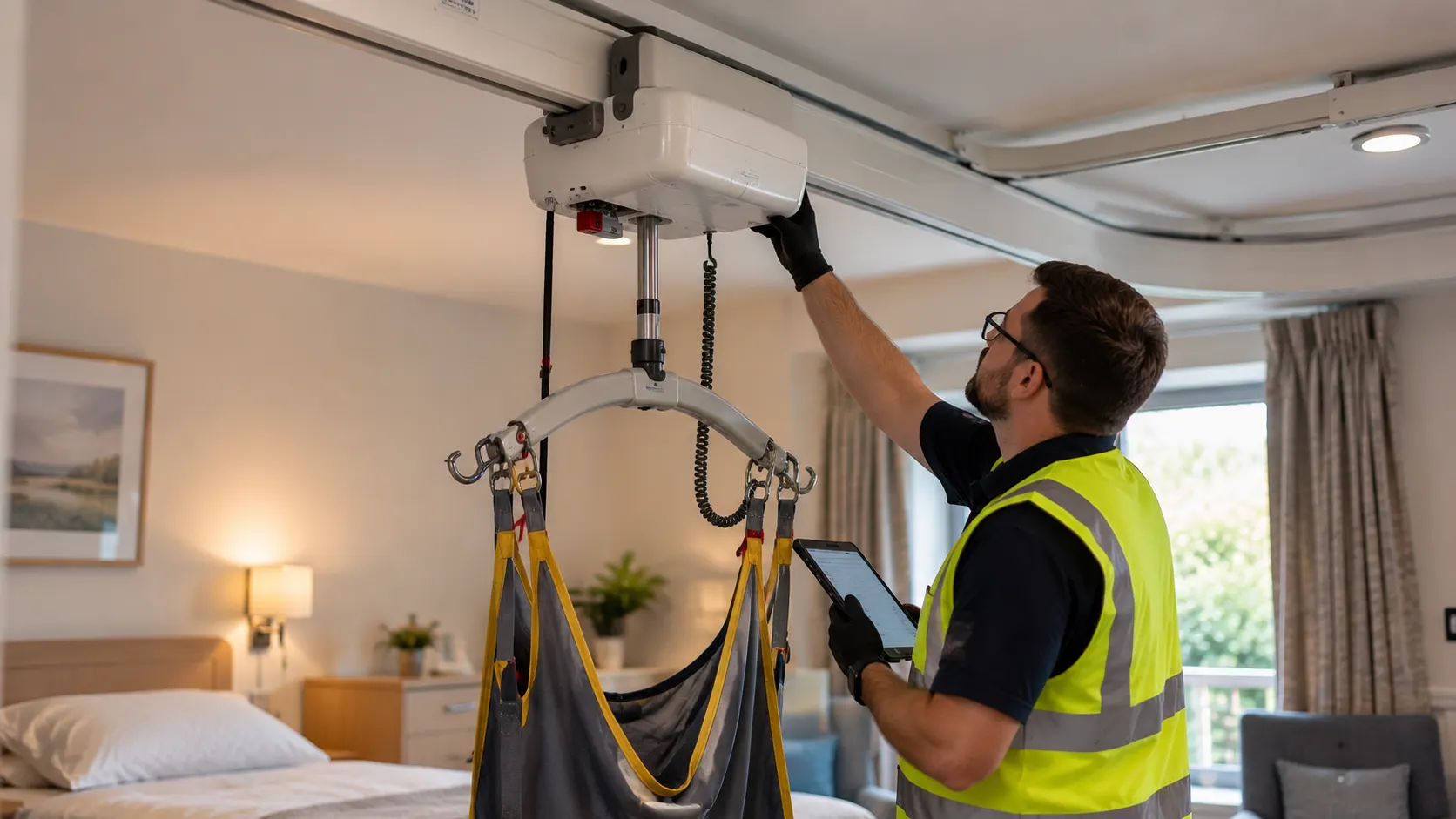
Fixed and ceiling-mounted hoist systems operating along tracks or runway systems.
Lifting slings used with patient hoists to support people during transfer and movement.
Lifting equipment designed to raise and lower people into and out of bathing facilities.
Passenger platform lifts used to improve accessibility within care and healthcare buildings.
Applicable stair-climbing and other access equipment used within professional care environments.
Provide the equipment type, location, quantity and any available examination or maintenance history.
We review the information and establish the appropriate inspection or thorough examination.
Relevant lifting equipment and safety-critical components are examined for condition, deterioration and defects.
You receive written documentation recording the examination, findings and any action that may be required.
Where lifting equipment is used to lift people at work, LOLER generally requires a thorough examination at least every 6 months, unless a competent person has specified another interval through a written examination scheme.
HSE guidance for health and social care specifically identifies mobile hoists, fixed or ceiling hoists, patient slings and applicable bath hoists as equipment requiring thorough examination at intervals of six months or less, or in accordance with a written scheme.
Routine checks, maintenance and servicing remain separate from the statutory thorough examination and should continue in line with the equipment manufacturer's instructions and the organisation's own safety procedures.
Tell us what equipment you have, how it is used and where it is located. We can discuss the inspection requirement and help arrange the appropriate examination.
The patient hoist is only part of the lifting system. Where LOLER applies, patient slings used with the hoist are lifting accessories and also need to be included within the examination programme.
Slings should be identifiable so their inspection status can be established, and their condition should be monitored carefully because wear or damage can affect their ability to support a person safely.
HSE specifically highlights the importance of ensuring slings used for lifting people are uniquely identifiable for maintenance and thorough examination.
Including hoists and slings within the same inspection programme can help care providers maintain clearer equipment records and reduce the risk of individual items being overlooked.