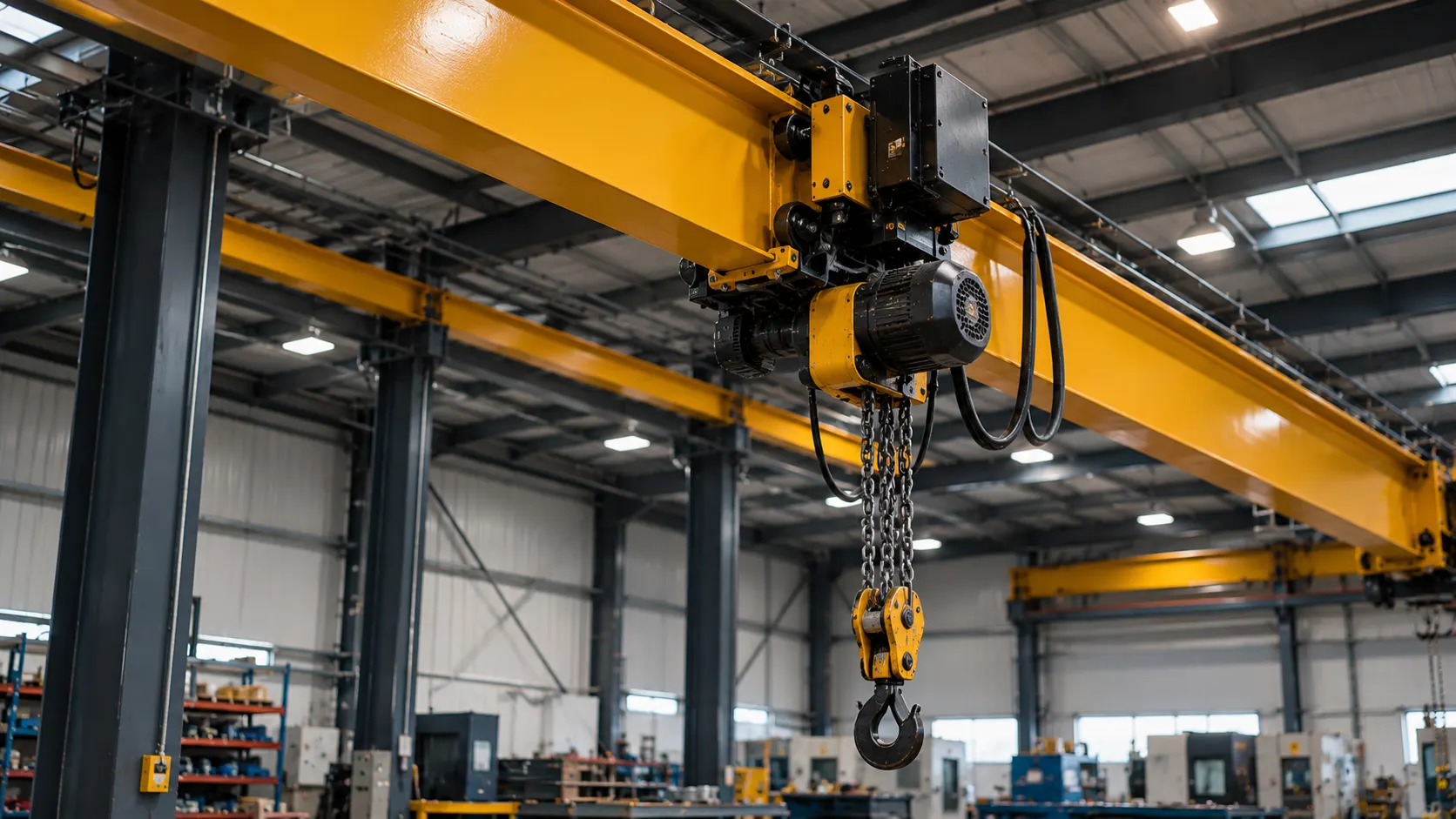
Jib Cranes
Wall-mounted, pillar and other applicable jib crane systems.


UK Lift Inspection Services carries out independent inspections across a wide range of cranes, hoists and associated lifting systems used in commercial, industrial and workplace environments.
Our inspection scope includes jib cranes, overhead travelling cranes, gantry cranes, mobile and lorry-mounted cranes, manual and electric hoists, chain blocks, lever hoists, winches and runway systems.
Whether you manage a single item of lifting equipment or equipment across several sites, we provide clear written findings and practical guidance on any defects, deterioration or action that may be required.
Tell us what equipment you have, where it is located and when it was last inspected and we can discuss the appropriate inspection requirements.
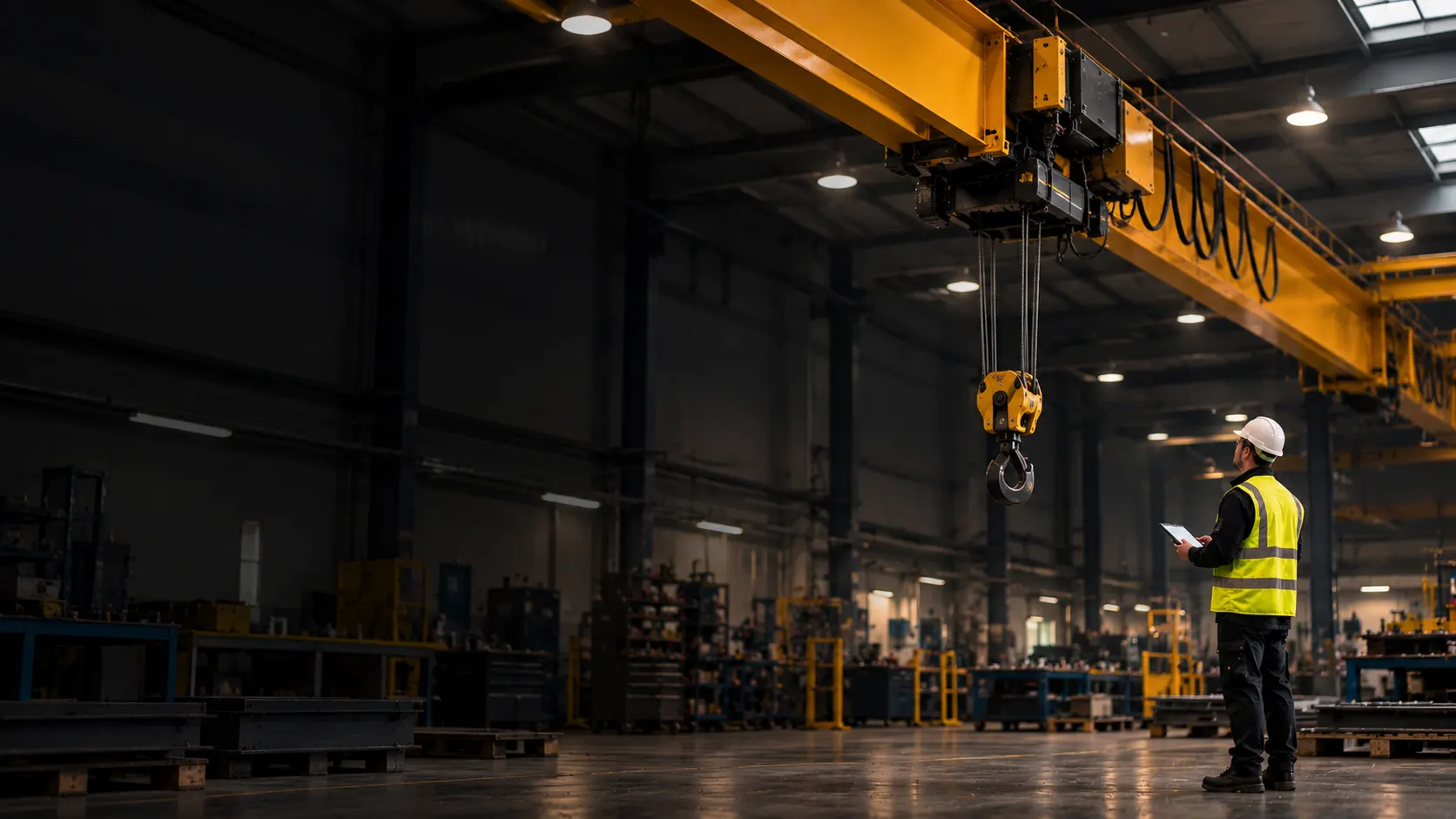
A crane or hoist inspection assesses the condition of the equipment and its safety-critical components to identify defects, deterioration or other issues that could affect safe continued use.
For equipment covered by LOLER, this can include a thorough examination carried out by a competent person and followed by a written report of the findings.
The scope of the examination depends on the type of crane or hoist, how it is used and the inspection requirements that apply. Our focus is on providing an independent assessment and clear documentation of anything that may require attention.
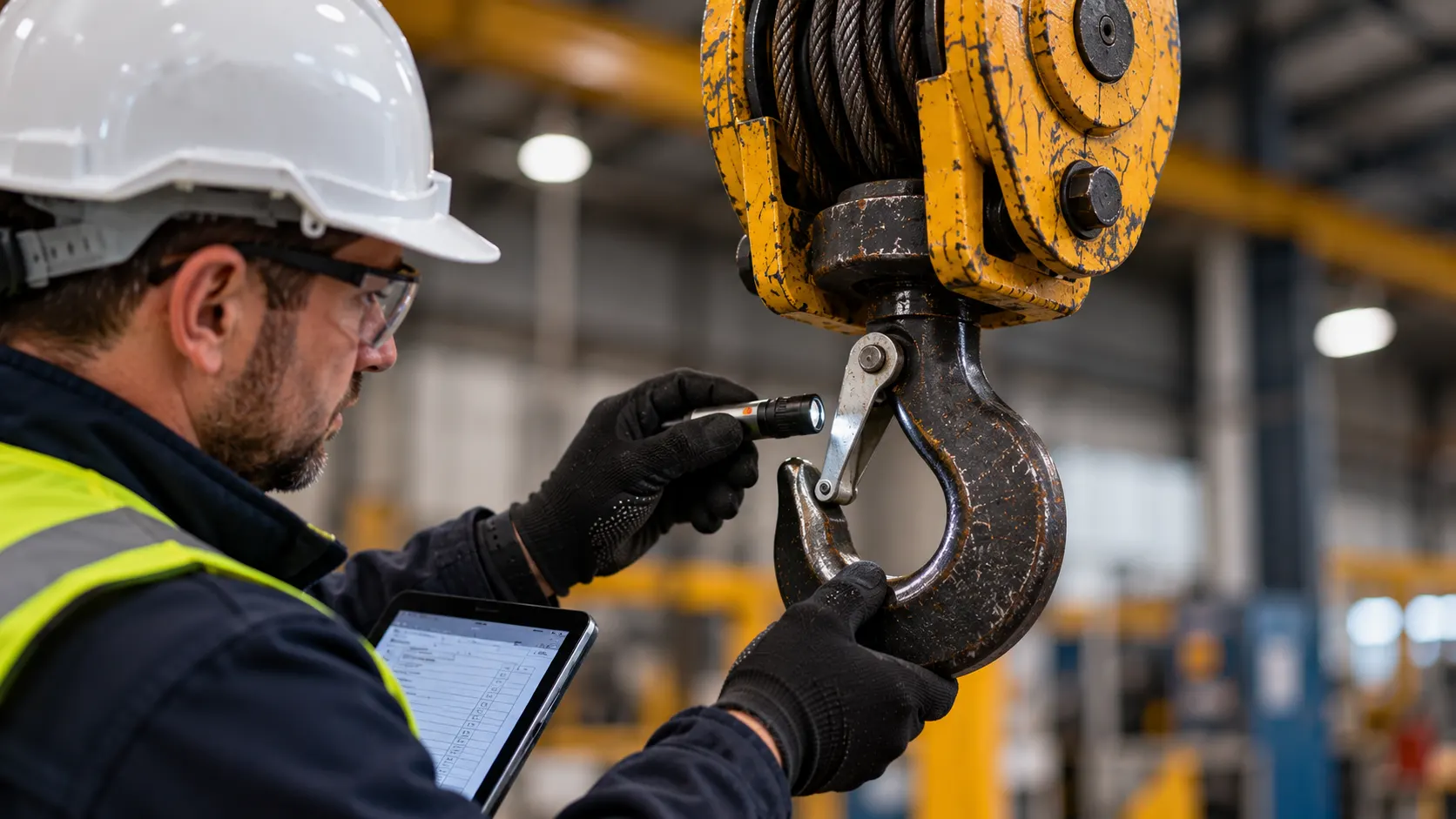
We inspect a broad range of crane, hoist and runway equipment used across industrial, commercial, workshop and materials-handling environments.
Wall-mounted, pillar and other applicable jib crane systems.
Overhead crane systems used for lifting and moving loads within industrial environments.
Gantry cranes, mobile cranes and applicable loader or lorry-mounted crane systems.
Manual and powered hoists used for lifting loads across a range of workplace environments.
Chain blocks, lever hoists and related manual lifting equipment.
Winches, runway beams, tracks and associated lifting systems.
Provide the equipment type, location, capacity and any available inspection or examination history.
We review the equipment information and establish the appropriate inspection or thorough examination.
Relevant components are examined for condition, defects, deterioration and other issues that may affect safe continued use.
You receive written documentation recording the examination, findings and any action that may be required.
The required examination frequency depends on the equipment, how it is used and whether a written scheme of examination is in place.
For lifting equipment covered by LOLER that is not used to lift people, a thorough examination is commonly required at least every 12 months, unless a competent person specifies a different interval through a written examination scheme.
Lifting accessories associated with cranes and hoists may have different examination intervals, and additional examinations can also be required following exceptional circumstances that could affect equipment safety.
If you are unsure when your crane or hoist is due for examination, contact us with the equipment details and any previous inspection records and we can help establish the appropriate next step.
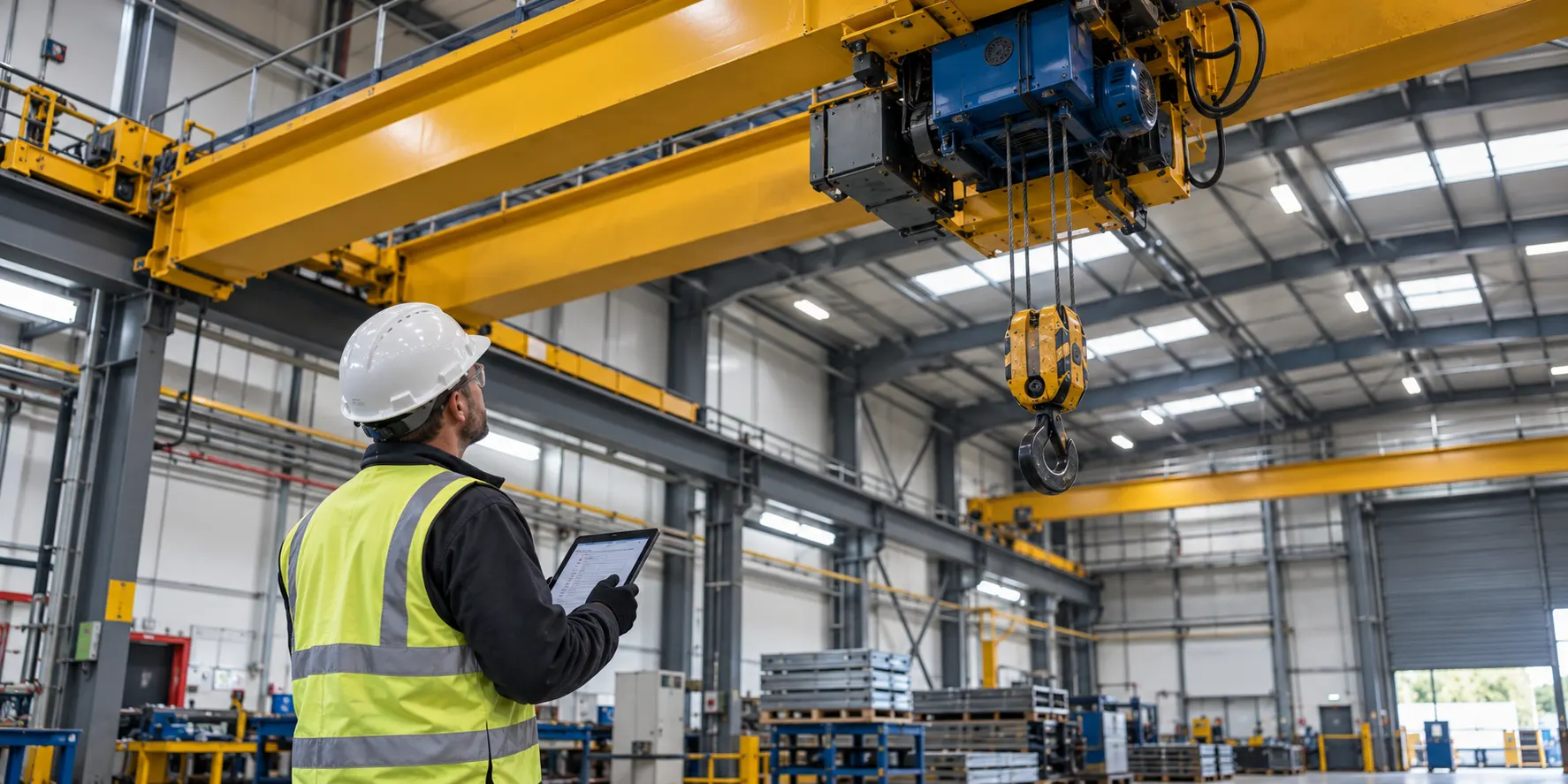
Tell us what equipment you have, how it is being used and where it is located. We can discuss the inspection requirement and help arrange the appropriate examination.
Crane and hoist systems often include more than the main lifting machine itself.
We also inspect associated equipment such as runway beams and tracks, chain blocks, lever hoists, winches and other components forming part of the wider lifting system.
Where relevant, lifting accessories including hooks, shackles, lifting beams and other load-handling equipment can also be incorporated into the wider inspection programme.
Bringing related equipment together can help businesses maintain clearer inspection records and manage lifting assets more effectively across individual sites or multiple locations.