Forklifts & Materials Handling
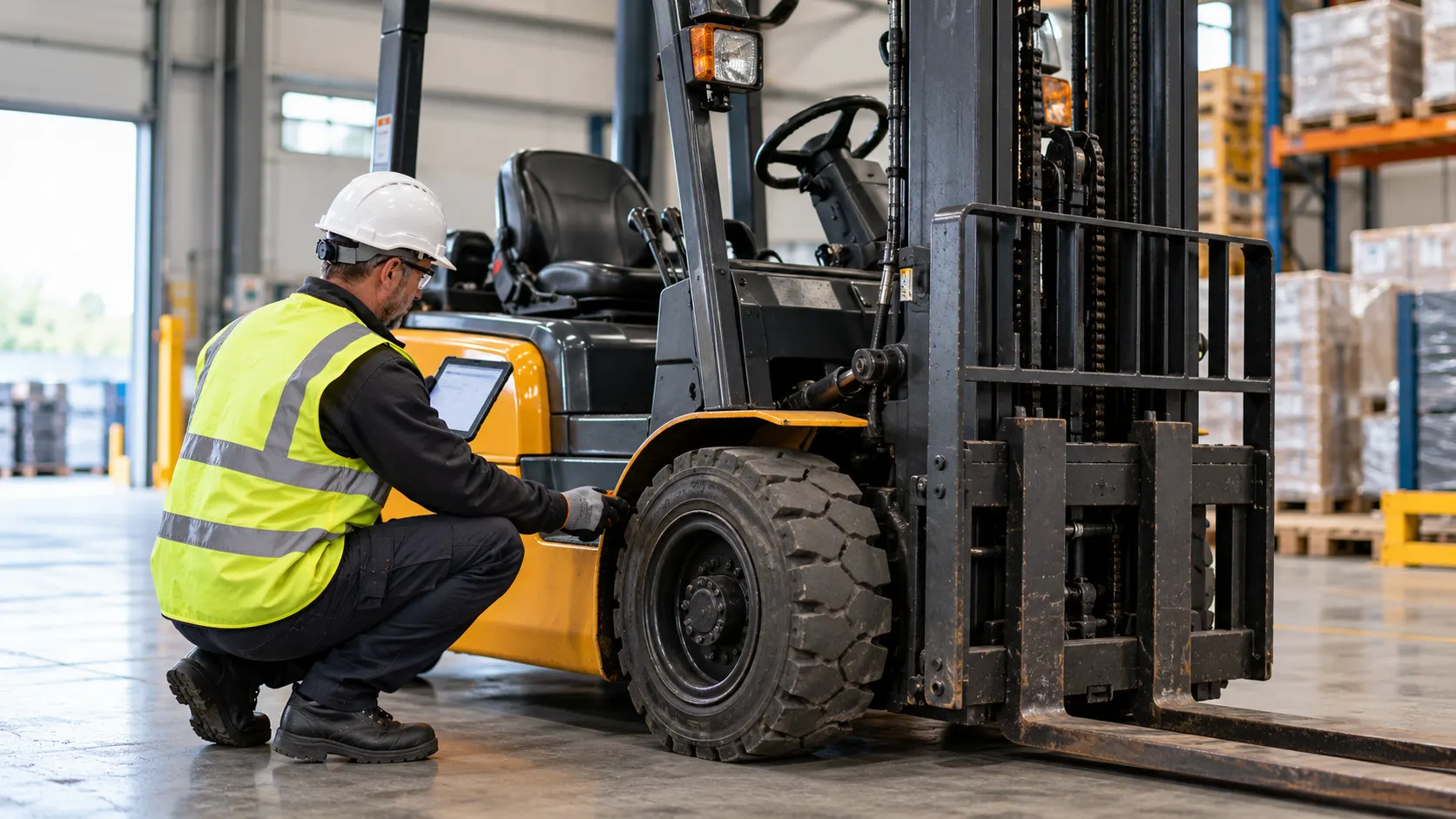
Forklift trucks, telehandlers, stackers and applicable materials-handling equipment.
The Provision and Use of Work Equipment Regulations 1998, commonly known as PUWER, place duties on businesses that own, operate or control work equipment. Where inspection is required, the aim is to identify deterioration, defects or other issues that could affect safe use.
UK Lift Inspection Services provides independent PUWER inspections across a range of workplace equipment throughout London, Kent, Essex and the South East. We provide clear written findings and straightforward guidance on any action that may be required.
PUWER can also apply alongside LOLER. In many cases lifting equipment is subject to both sets of requirements, with each covering different aspects of the equipment and its use.
Book a PUWER inspection for workplace equipment across London, Kent, Essex and the South East.
A PUWER inspection looks at work equipment where inspection is needed to help confirm that it remains safe to use.
The scope of the inspection depends on the equipment, how it is used and the risks involved. This may include checking its condition, safety-related components, controls, protective devices and other areas that could affect safe operation.
The aim is to identify deterioration, faults or safety concerns clearly so that appropriate action can be taken where required.
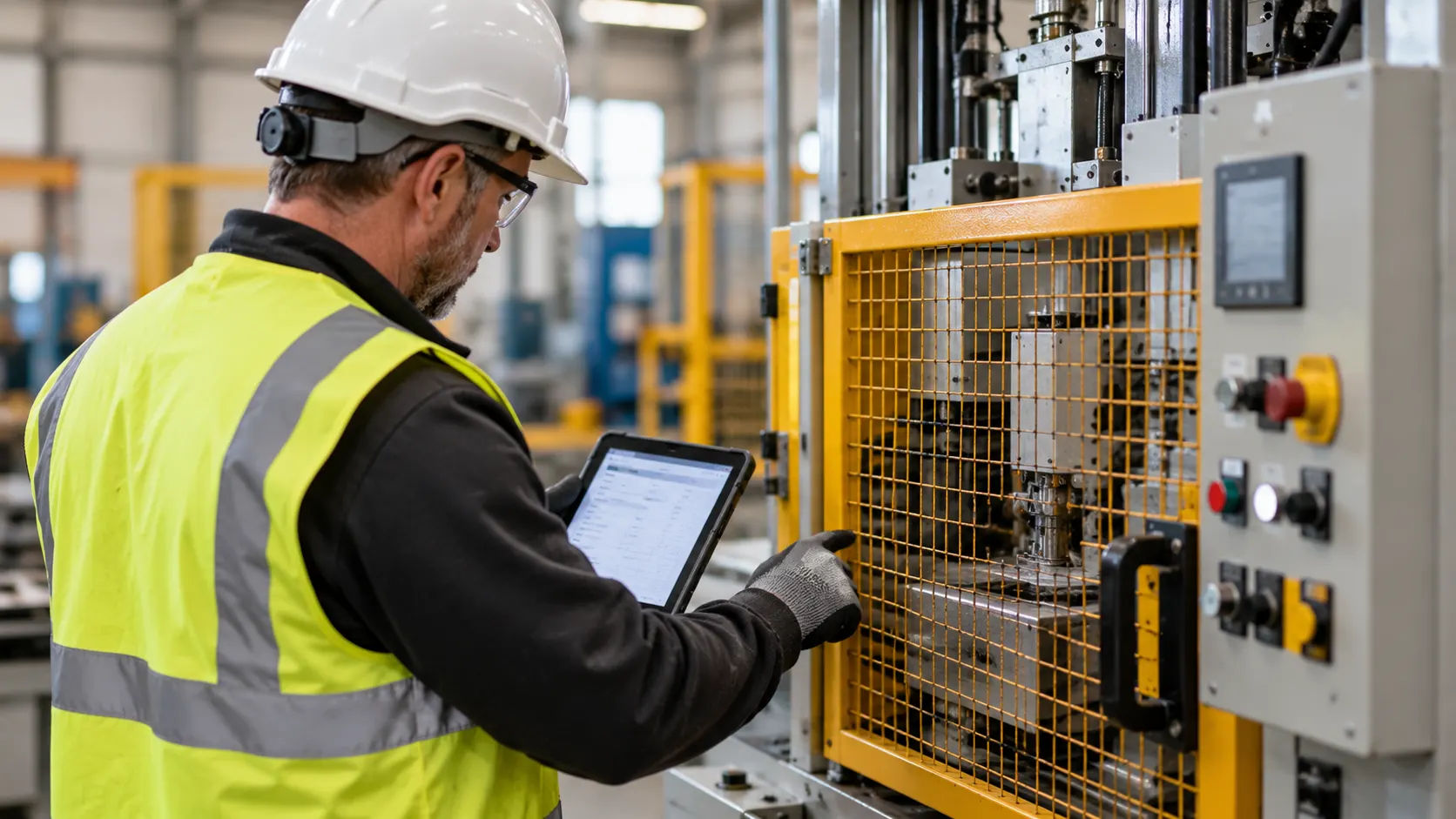
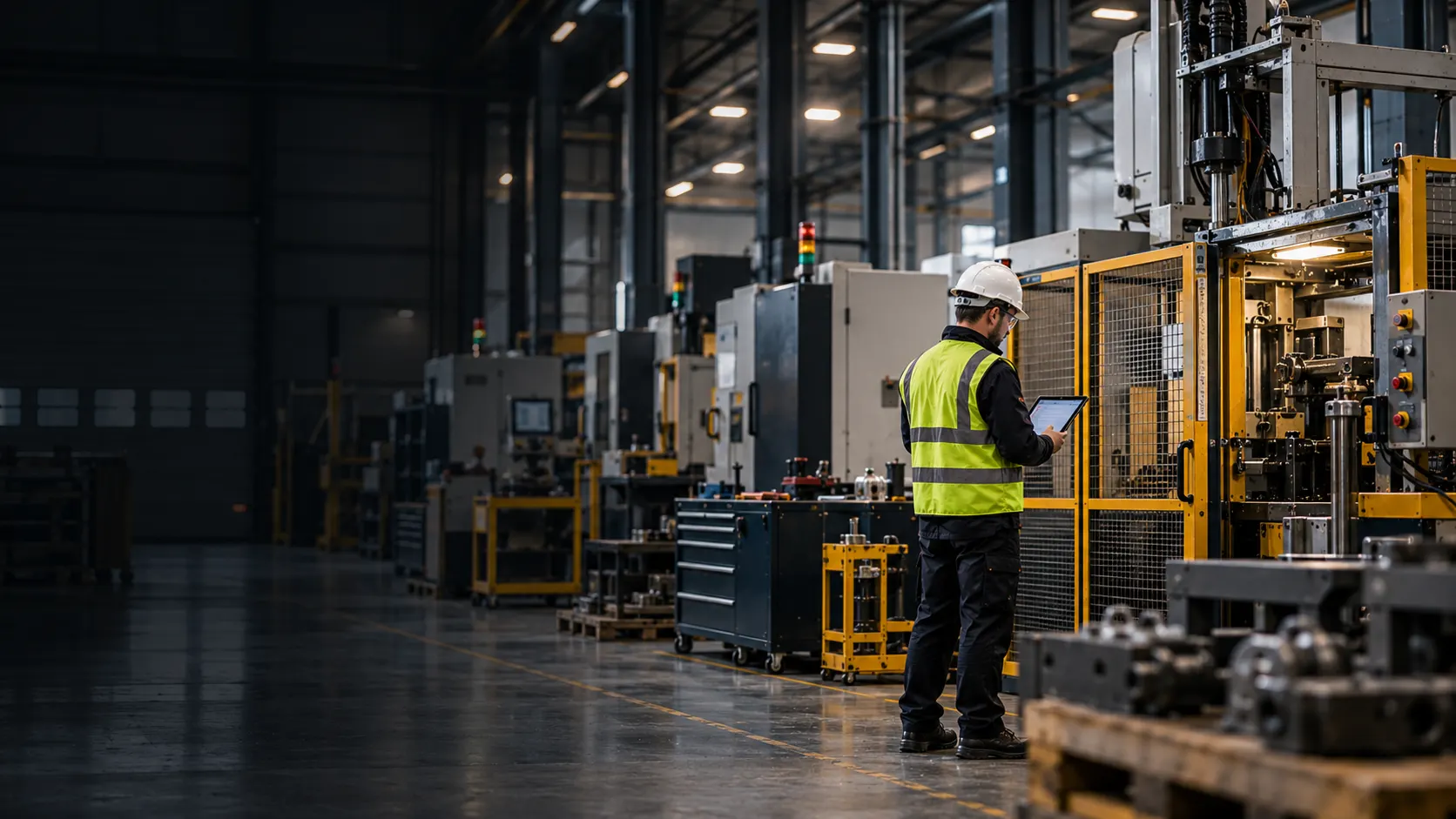
UK Lift Inspection Services carries out PUWER inspections across a range of workplace equipment used in commercial, industrial and workshop environments. The examples below show some of the equipment we can inspect where PUWER inspection requirements apply.
Forklift trucks, telehandlers, stackers and applicable materials-handling equipment.
Vehicle lifting equipment and other machinery used in garage and workshop environments.
Applicable mobile plant and workplace equipment used across commercial and industrial sites.
Powered access equipment and other applicable workplace machinery.
Equipment where inspection may be required because of installation, deterioration or operating conditions.
Other work equipment can be considered depending on its use, condition and inspection requirements.
Provide the equipment type, location and any available information about how it is used or its inspection history.
Relevant parts of the equipment are examined with a focus on condition, safety and deterioration.
Any issues identified are recorded clearly so you understand what has been found and what action may be required.
You receive written documentation recording the inspection and relevant findings.
PUWER does not set one fixed inspection interval for every item of work equipment.
Inspection may be required where the safety of equipment depends on how it has been installed, including after installation and before first use or after assembly at a new location.
Equipment exposed to conditions that could cause deterioration and create a dangerous situation may also need inspection at suitable intervals. Further inspection can be required following exceptional circumstances such as serious damage, major modification or a significant change in use.
The appropriate inspection frequency should reflect the equipment, its working environment and the risks involved.
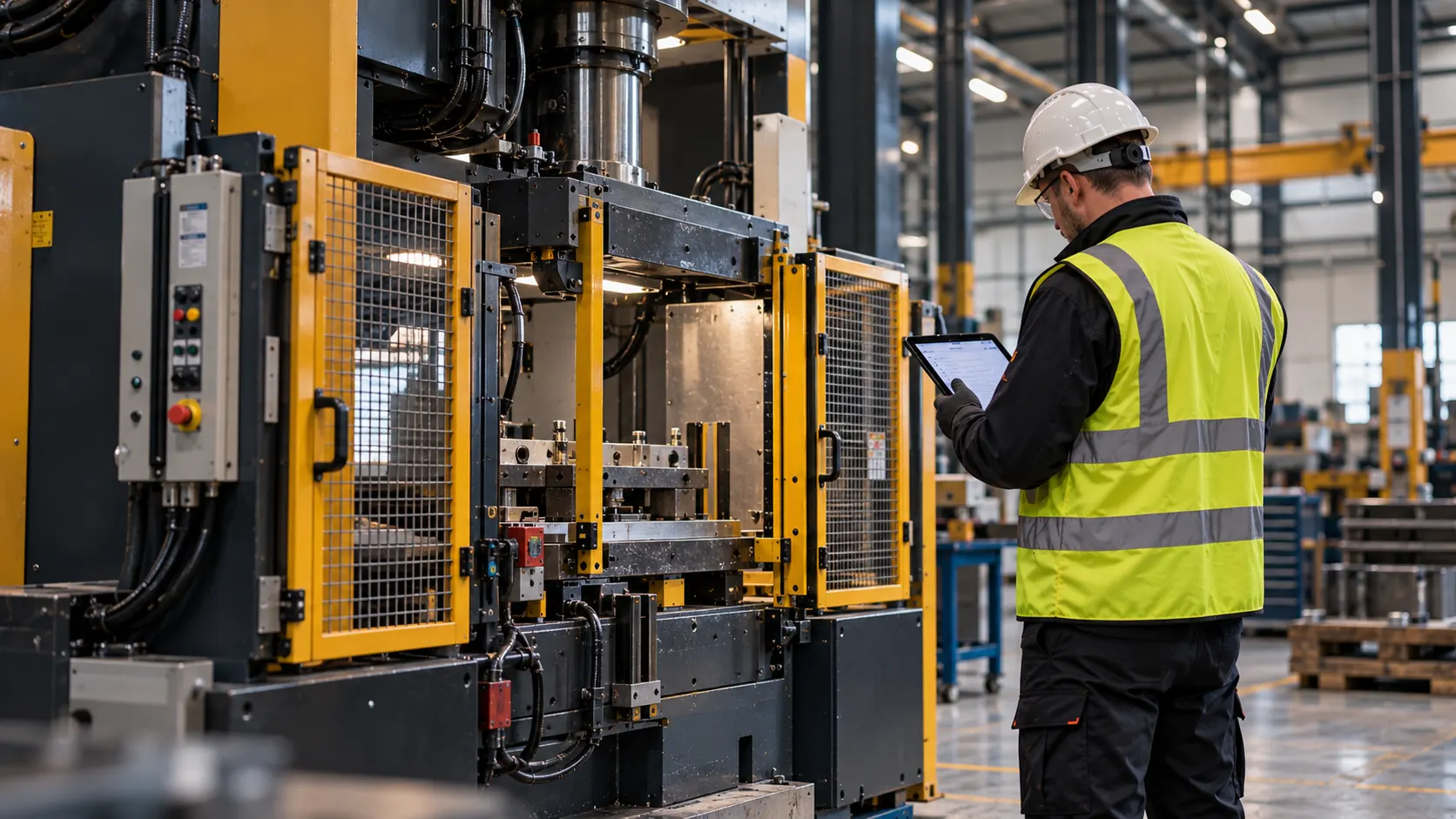
If you are unsure whether a piece of workplace equipment requires inspection, get in touch. Tell us what equipment you have and how it is being used and we can discuss the requirement and the most appropriate next step.
PUWER and LOLER are separate regulations, but they can apply to the same piece of equipment.
PUWER covers the wider safety and suitability of work equipment, while LOLER contains additional requirements specifically relating to lifting equipment and lifting operations.
For example, a forklift may be subject to LOLER requirements relating to its lifting function while other safety-related parts and systems fall within PUWER requirements.
Where both apply, the inspections complement each other rather than being treated as the same examination.