Lifts & Escalators
Passenger lifts, goods lifts, service lifts, platform lifts, stairlifts, dumbwaiters and escalators.
UK Lift Inspection Services carries out independent inspections across a wide range of lifting equipment used in commercial, industrial, workshop, healthcare and property environments.
Our inspection work covers equipment such as lifts, cranes, hoists, MEWPs, forklifts, telehandlers, vehicle lifting equipment, patient lifting equipment and lifting accessories. Depending on the equipment and how it is used, inspection requirements may fall under LOLER, PUWER or other applicable requirements.
Whether you manage a single item of equipment or assets across multiple sites, we provide clear written findings and straightforward guidance on any action that may be required.
Tell us what equipment you have and where it is located and we can discuss the inspection requirements and arrange a suitable appointment.
A lifting equipment inspection is carried out to assess the condition of equipment used to lift or lower loads or people and identify defects, deterioration or other issues that may affect safe use.
The scope of the inspection depends on the type of equipment, how it is used and the regulatory requirements that apply.
For equipment covered by LOLER, this may include a thorough examination by a competent person. Other work equipment may also require inspection under PUWER or other applicable requirements.
Our role is to provide a clear, independent assessment and straightforward documentation of the findings.
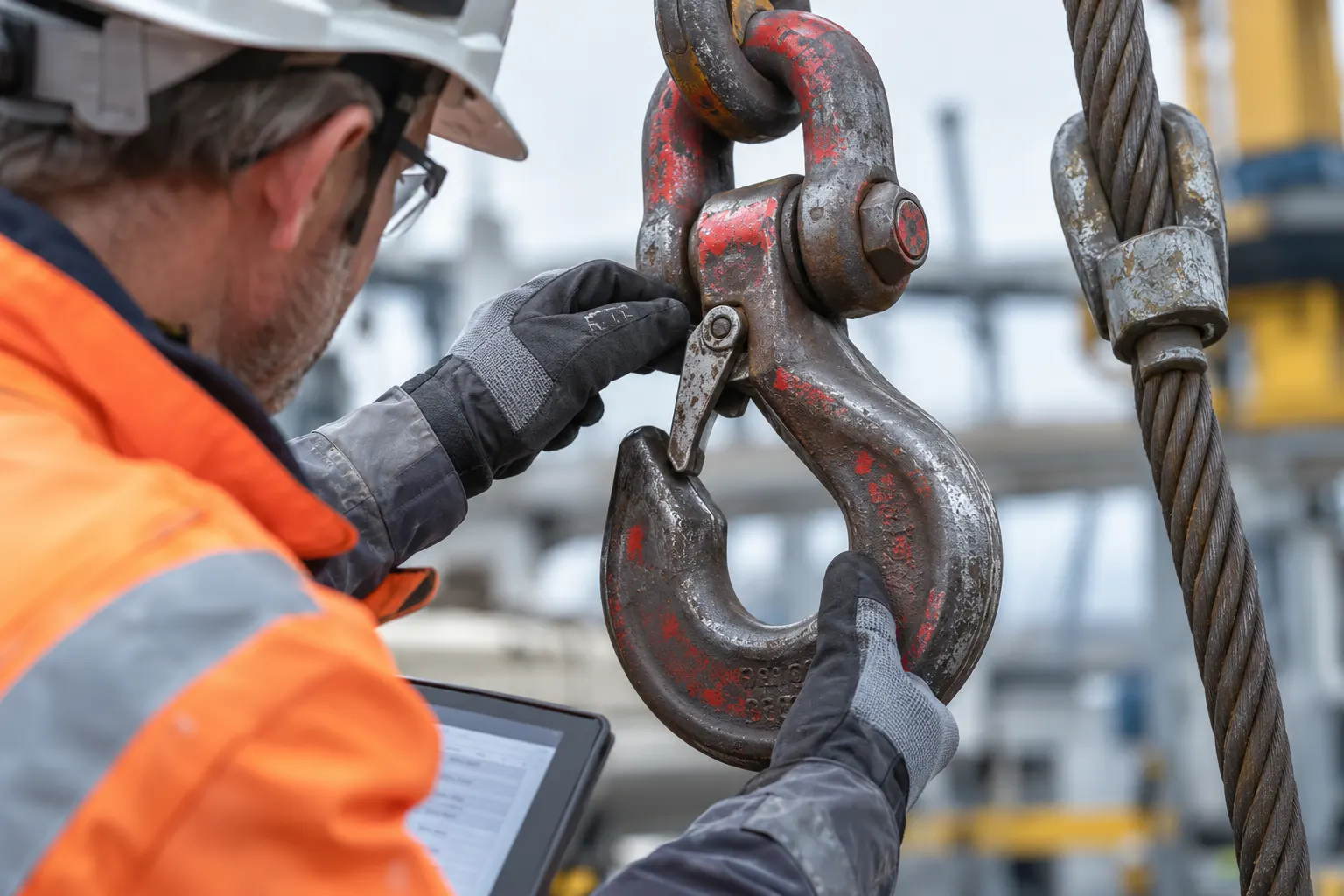
We inspect a broad range of lifting equipment across commercial, industrial, workshop and care environments. The categories below show some of the main equipment we regularly work with.
Passenger lifts, goods lifts, service lifts, platform lifts, stairlifts, dumbwaiters and escalators.
Jib cranes, overhead cranes, hoists, gantries, winches and runway systems.
Cherry pickers, boom lifts, scissor lifts, BMUs and suspended access equipment.
Forklift trucks, telehandlers, stackers and applicable materials-handling equipment.
2-post lifts, 4-post lifts, scissor lifts, lifting tables, tail lifts and workshop equipment.
Patient hoists, slings, ceiling hoists, bath lifts and other lifting equipment used in care environments.
Provide the equipment type, location, quantity and any available inspection history.
We review the equipment information and establish the appropriate type of inspection or examination.
The equipment is examined with a focus on its condition, safety and any defects or deterioration that may affect continued use.
You receive clear written documentation recording the inspection, findings and any action that may be required.
The inspection requirements for lifting equipment depend on the type of equipment, how it is used and the environment in which it operates.
Many items of lifting equipment used at work fall within LOLER, which contains specific requirements relating to lifting equipment and lifting operations.
PUWER can also apply to the wider safety and suitability of work equipment, meaning some equipment may be subject to both sets of requirements.
Other specialist equipment can have different inspection requirements, so it is important to consider each item individually rather than assuming every piece of equipment is inspected in exactly the same way.
If you are unsure what applies to your equipment, contact us with the details and we can discuss the appropriate next step.
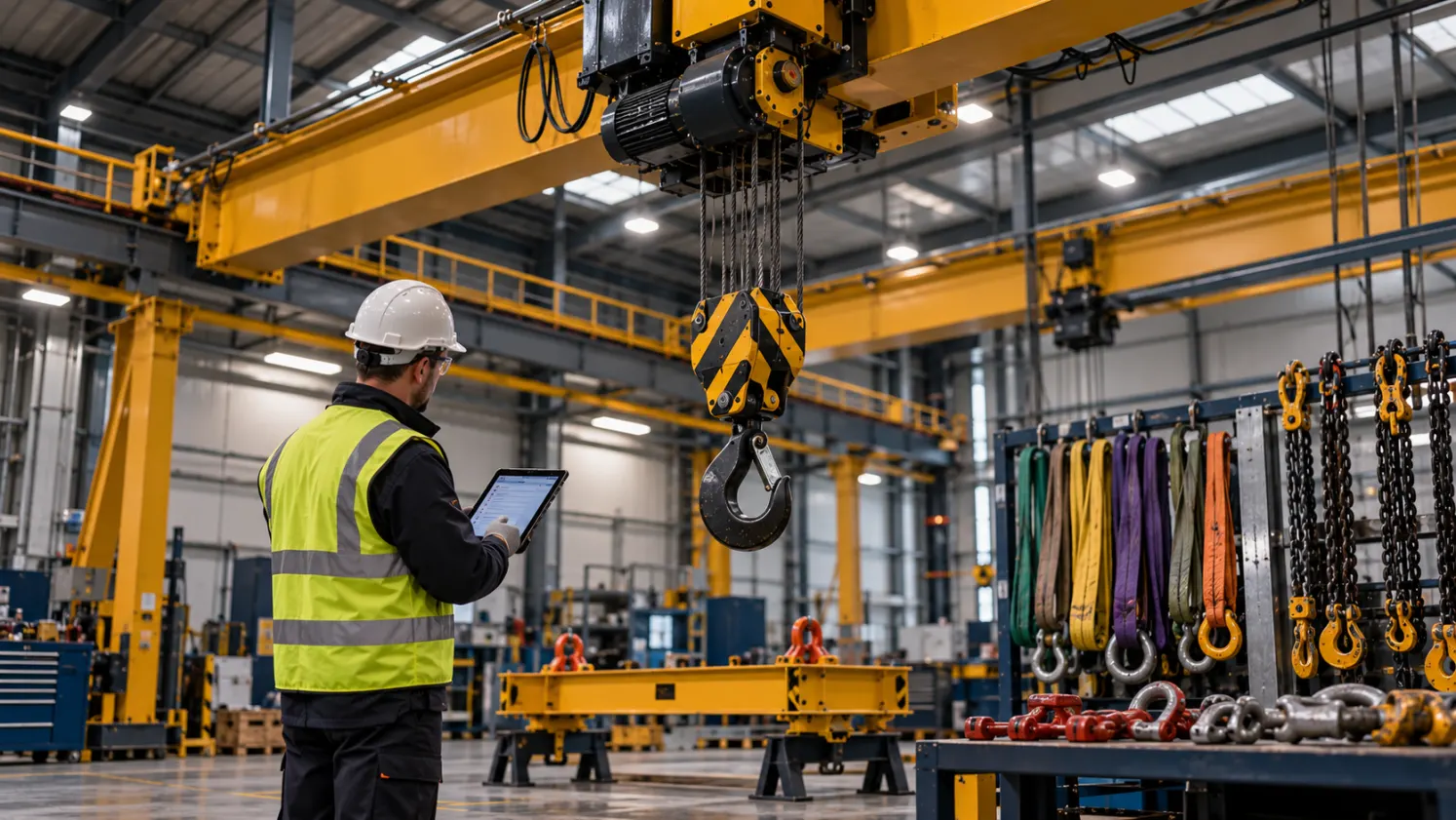
Tell us what equipment you have, how it is being used and where it is located. We can discuss the inspection requirements and help you arrange the appropriate service.
Lifting equipment is only part of the picture. We also inspect a wide range of lifting accessories and components used to connect, support or secure loads.
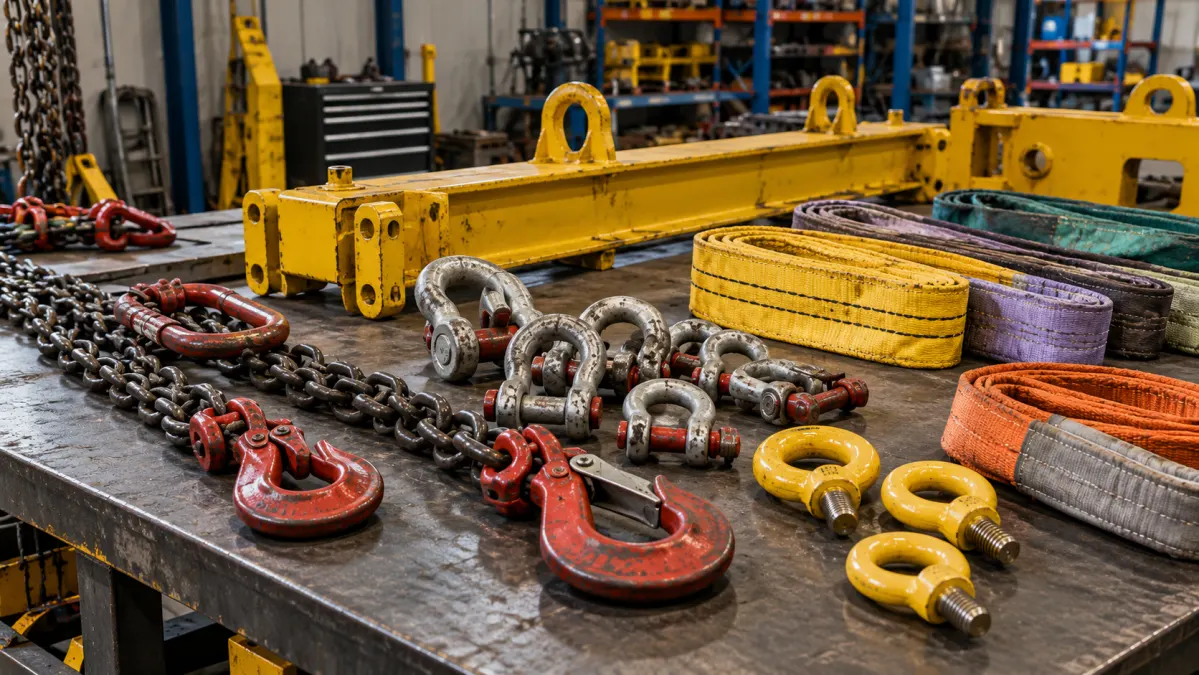
This includes equipment such as slings, chains, shackles, hooks, eyebolts, lifting points, lifting beams, spreader beams, frames, clamps, grabs, magnetic lifters and vacuum lifting equipment.
Including accessories within the wider inspection programme helps businesses maintain clearer records and manage the condition of lifting equipment across the site as a whole.