Passenger Lifts
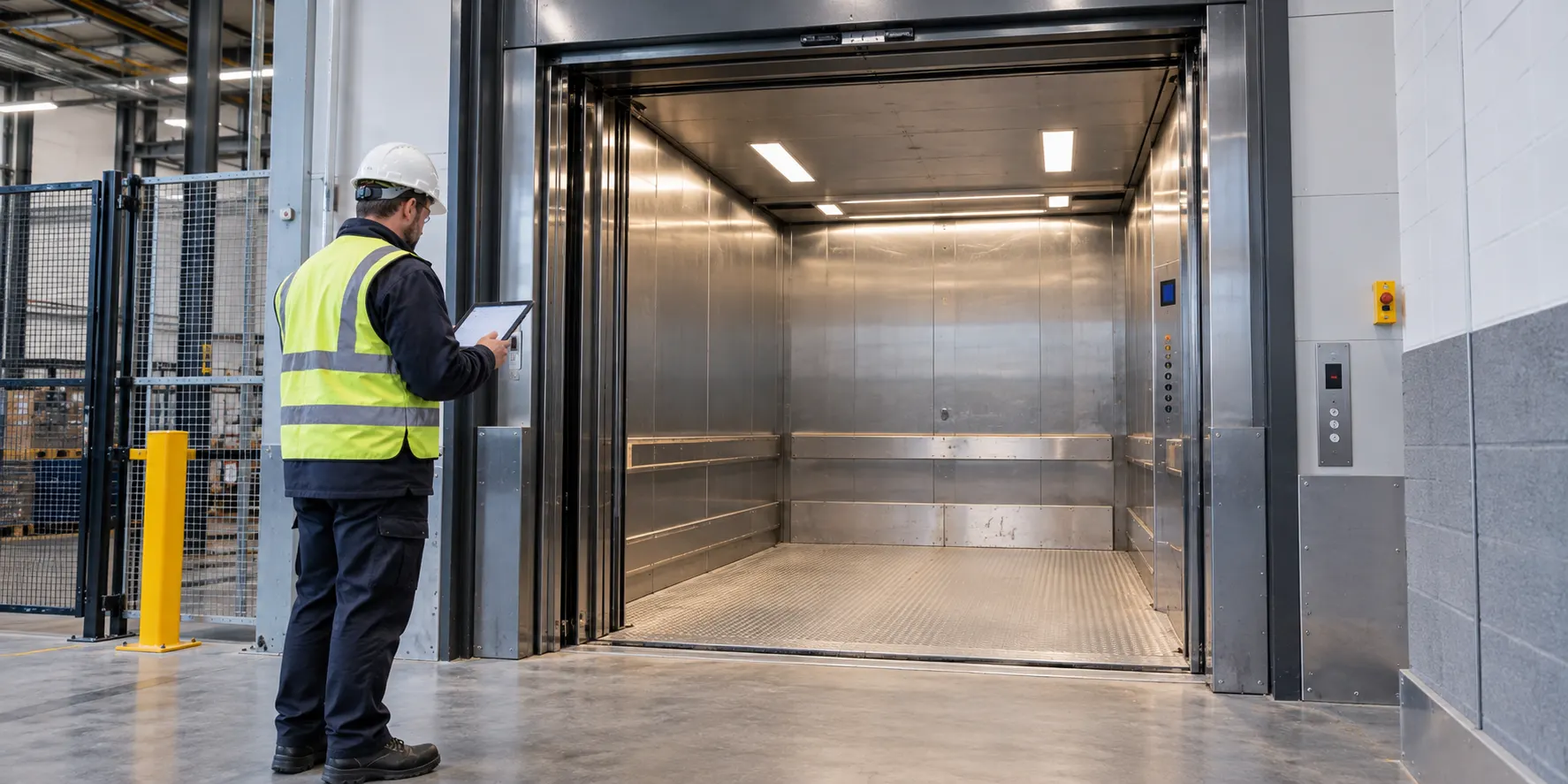
Traction and hydraulic passenger lifts serving commercial, residential and public buildings.
UK Lift Inspection Services carries out independent inspections across a wide range of lift equipment, including passenger lifts, goods lifts, service lifts, platform lifts, stairlifts and dumbwaiters, as well as escalator inspections.
Workplace lifts used for lifting people or goods can fall within LOLER and may require periodic thorough examination by a competent person. Escalators are subject to different requirements and are not covered by LOLER, so the appropriate inspection approach depends on the equipment involved.
Whether you manage a single lift or equipment across several sites, we provide clear written findings and straightforward guidance on any action that may be required.
Tell us what equipment you have, where it is located and when it was last inspected and we can discuss the appropriate next step.
A lift inspection assesses the condition of the equipment and its safety-critical components to identify defects, deterioration or other issues that could affect safe continued use.
For workplace lifts covered by LOLER, this can include a thorough examination carried out by a competent person and followed by a written report of the findings.
The scope depends on the type of lift, how it is used and the inspection requirements that apply. Our approach is independent and focused on giving you a clear understanding of the equipment's condition and any action that may be required.
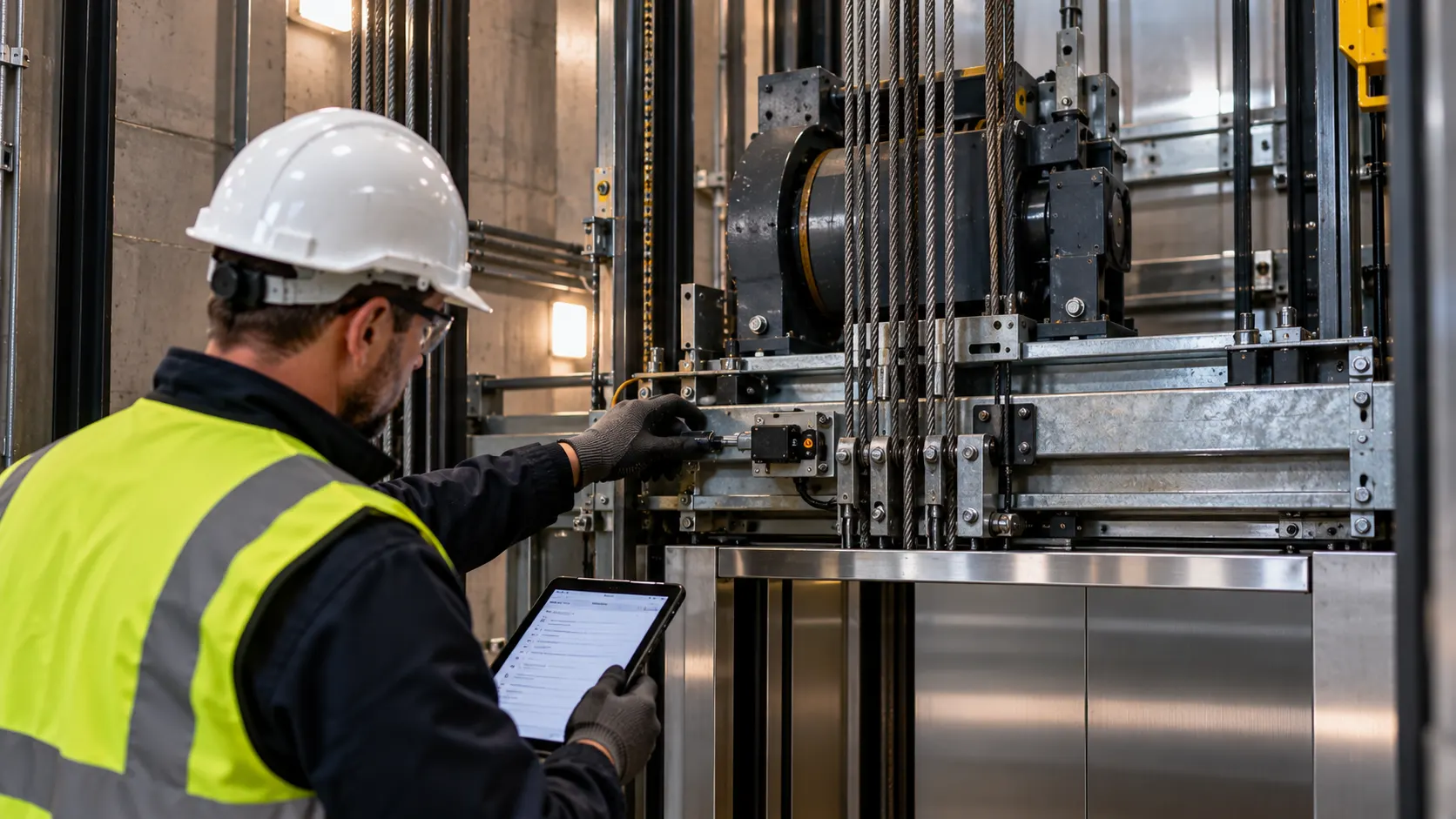
We inspect a broad range of lift and access equipment used across commercial buildings, residential developments, healthcare settings, workplaces and industrial sites.
Traction and hydraulic passenger lifts serving commercial, residential and public buildings.
Goods lifts, service lifts and other equipment used to move goods between levels.
Passenger platform lifts used to improve access within buildings.
Stairlifts and applicable stair-climbing equipment used in homes, care and workplace environments.
Small service lifts used to move goods, food and other items between floors.
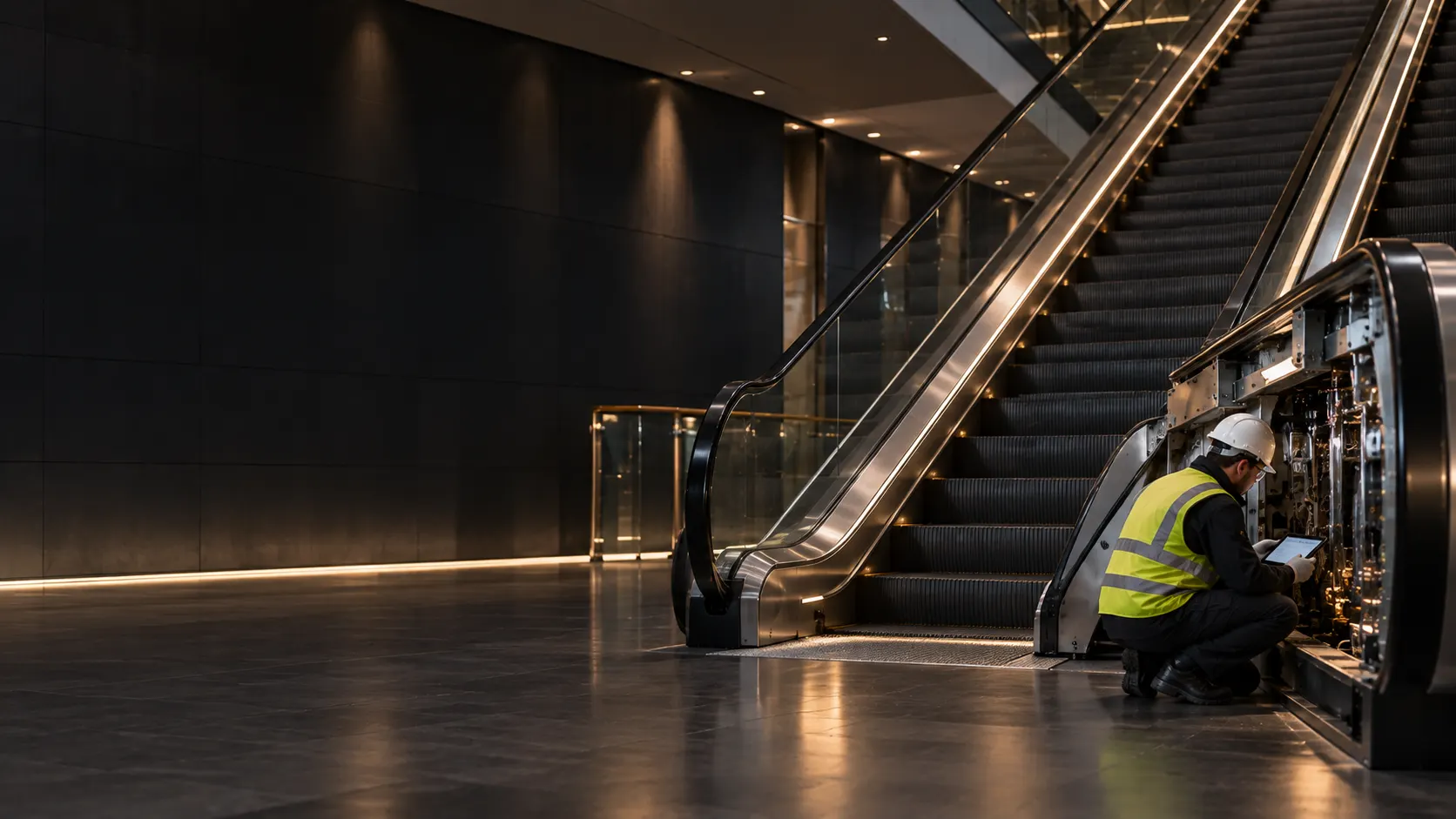
Independent escalator inspections carried out under the appropriate inspection requirements rather than LOLER.
Provide the lift or escalator type, location and any available inspection or maintenance history.
We establish the appropriate inspection or examination based on the equipment and how it is used.
The relevant equipment and safety-critical components are examined for defects, deterioration and other concerns.
You receive clear written documentation recording the inspection, findings and any action that may be required.
For lifts used to carry people at work, LOLER generally requires a thorough examination at least every 6 months, unless a competent person specifies a different interval through a written examination scheme.
Other lifting equipment may commonly be examined every 12 months, depending on its use and the applicable examination scheme.
Additional examinations can also be required following installation or exceptional circumstances that may affect equipment safety.
Escalators are different. HSE guidance confirms that escalators are not covered by LOLER, so their inspection and maintenance requirements should be considered separately under the regulations and standards that apply to them.
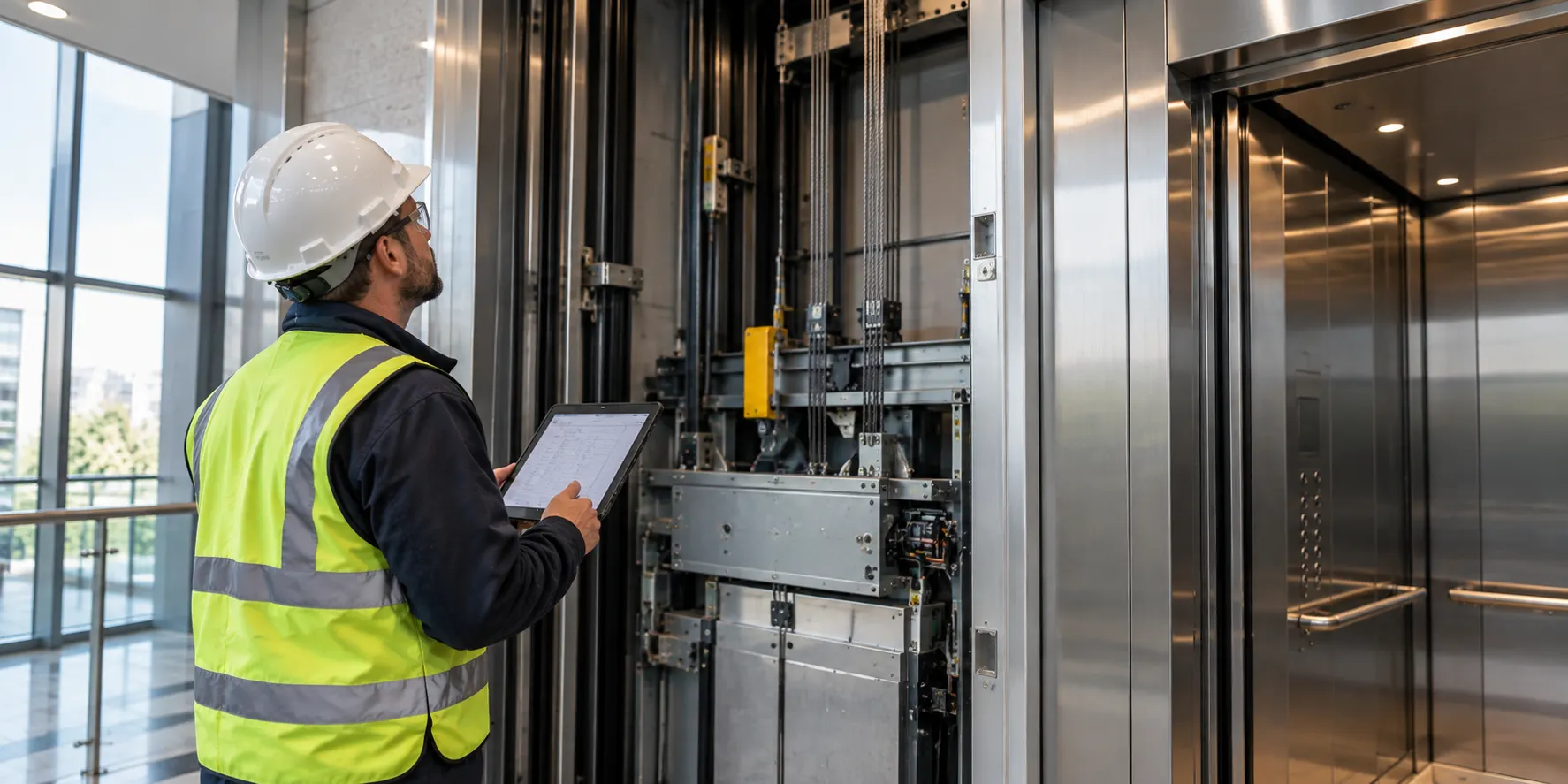
Tell us what type of lift or escalator you have, where it is installed and any inspection information you already hold. We can discuss the requirement and help arrange the appropriate inspection.
Different lift types operate in very different environments, so the inspection needs to reflect the equipment and how it is used.
Our confirmed inspection scope includes passenger traction and hydraulic lifts, passenger platform lifts, goods lifts, service lifts, dumbwaiters, stairlifts and construction or personnel hoists where applicable.
We also inspect lift equipment across a variety of settings, from commercial and residential buildings to care environments, workshops and industrial sites.
Where LOLER applies, the examination focuses on identifying defects or deterioration that could affect the safe continued use of the lifting equipment and documenting the findings clearly.